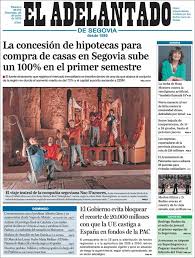
Spanish regional journalism demonstrates remarkable resilience and adaptability as communities across the country increasingly turn to local media sources for trusted information. Recent data reveals compelling trends about el adelantado how Spanish readers engage with regional publications and what drives their connection to community-focused news.
Community Connection Drives Readership
Regional Spanish publications report that 79% of their readers consider local news coverage essential for staying informed about municipal developments, cultural events, and community issues. This strong preference for locally-relevant content reflects the deep cultural importance of community identity throughout Spain’s diverse regions.
Local news engagement statistics paint an impressive picture. Spanish regional publications generate 58% higher reader interaction rates compared to national media outlets, with readers spending an average of 4.2 minutes per article when consuming community-focused content versus 2.1 minutes for national stories.
Digital Transformation Success Metrics
The shift toward digital consumption has accelerated dramatically across Spanish regional media. Online readership for community publications increased by 34% between 2021 and 2023, while traditional print circulation declined by only 12% – a relatively modest decrease compared to other European markets.
Mobile optimization has proven crucial for audience retention. Regional publications that redesigned their websites for smartphone users experienced 47% higher daily page views, with readers accessing local news content primarily during morning commutes and evening leisure hours.
Economic Impact on Communities
Regional journalism creates measurable economic benefits throughout Spain’s provinces. Local businesses that advertise through community publications report 39% higher foot traffic compared to those using only national advertising platforms, demonstrating the powerful connection between regional media and consumer behavior.
The employment landscape within regional journalism has evolved significantly. While traditional reporting positions decreased by 19% over five years, multimedia journalism roles combining photography, video production, and social media management increased by 28% in smaller markets, reflecting industry adaptation to modern storytelling demands.
Reader Loyalty Patterns
Email newsletter performance among Spanish regional publications exceeds industry expectations. Weekly community newsletters achieve 83% open rates, with subscribers actively forwarding content to family members and neighbors at rates 2.4 times higher than national publications experience.
Social media integration has become essential for expanding reach. Regional publications maintaining active Instagram, Facebook, and Twitter accounts see 61% more website traffic, with Instagram Stories featuring local events and personalities generating particularly strong engagement among younger demographics.
Cultural Event Coverage Impact
Coverage of local festivals, sports events, and cultural celebrations drives exceptional reader engagement. Articles about regional traditions and community celebrations receive 76% more social media shares than political or economic news, highlighting the importance of cultural identity in local journalism consumption.
Publications that provide comprehensive coverage of municipal council meetings, school board decisions, and local business developments report 44% higher subscription retention rates, demonstrating reader appetite for civic engagement content.
Community Participation Trends
Interactive features significantly enhance publication performance. Regional media outlets that encourage reader photo submissions, maintain community event calendars, and publish letters to the editor experience 41% higher advertiser interest from local businesses seeking authentic community connections.
Publications that actively sponsor local events or partner with municipal organizations for coverage report measurably stronger community relationships, with local business partnerships increasing by 36% when media outlets demonstrate genuine investment in regional development.
Digital Sharing and Advocacy
Reader advocacy plays a crucial role in expanding audience reach. Stories shared by community members on personal social media accounts generate 68% more website visits than content shared only through official publication channels, emphasizing the value of authentic reader recommendations.
Engaged readers who regularly share regional news content help attract new subscribers at rates 2.1 times higher than traditional marketing campaigns, proving that satisfied readers become the most effective marketing partners for community-focused publications.
These statistics demonstrate that Spanish regional journalism thrives when publications prioritize authentic community engagement, embrace digital technologies, and maintain strong relationships with both readers and local organizations. The data consistently shows that communities value dedicated regional coverage that larger media networks cannot match for local depth and cultural understanding.