Opportunity Zones are designated areas in the United States aimed at spurring economic development through tax incentives for investors. These zones can provide significant benefits, including deferral of capital gains and potential tax-free growth on new investments. However, not all opportunity zones investments yield high returns, so identifying profitable opportunities requires careful analysis and strategic planning.
The first step in identifying profitable Opportunity Zone investments is understanding the local market dynamics. Investors should research the economic indicators of the area, including employment rates, population growth, infrastructure projects, and the presence of businesses or institutions that drive demand. Areas experiencing economic growth and urban revitalization tend to offer higher potential for property value appreciation and rental income. Additionally, evaluating comparable property values and rental rates in the neighborhood provides insight into potential returns.
Next, it is essential to assess the type of investment. Opportunity Zones offer a wide range of options, including residential, commercial, and mixed-use properties, as well as development projects or business ventures. Each type carries different risk and return profiles. Residential properties in growing urban areas can offer steady rental income, while commercial developments or startups may provide higher long-term gains but with increased risk. Aligning the investment type with your risk tolerance and investment horizon is crucial.
Due diligence on the specific property or business is another key factor. This includes inspecting the property, reviewing zoning regulations, understanding any required renovations or improvements, and evaluating the financial health of a business if investing in a company within the zone. Investors should also examine any incentives or grants available at the local or state level, as these can enhance returns.
Understanding the Opportunity Zone tax benefits is equally important. Investments held for at least five years can reduce deferred capital gains, and those held for ten years may allow appreciation to be tax-free. Structuring investments to maximize these benefits can significantly increase profitability. Consulting with a tax advisor or financial planner familiar with Opportunity Zone regulations ensures compliance and optimal tax advantages.
Lastly, monitoring long-term trends and potential exit strategies is vital. Profitable investments often require patience, so understanding market cycles, projected development plans, and potential buyers or tenants can help in planning an effective exit. Diversifying investments across multiple Opportunity Zones or property types can also reduce risk and increase the likelihood of profitable outcomes.
By combining thorough market research, strategic selection of investment types, careful due diligence, tax planning, and long-term monitoring, investors can identify Opportunity Zone investments that offer both financial returns and community impact. These steps provide a structured approach to navigating this unique investment landscape.
How to Identify Profitable Opportunity Zone Investments
Categories:
1 thought on “How to Identify Profitable Opportunity Zone Investments”
Leave a Reply
Related Post

Free PCA Certification Online: Start Your Caregiving CareerFree PCA Certification Online: Start Your Caregiving Career
The particular medical industry is just about the fastest-growing market sectors, plus the interest on expert specialists remains to rise. In case you have a desire for supporting other folks

The Ultimate Panigale V4 Carbon Fiber Customization GuideThe Ultimate Panigale V4 Carbon Fiber Customization Guide
The Ducati Panigale V4 is an engineering masterpiece and design, captivating motorcycle enthusiasts with its performance as well as its aesthetics and cutting-edge technology. One of the most notable characteristics
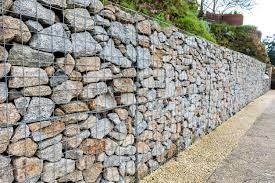
From Historical Fortifications to Modern day Design and style: Gabions being a Timeless Construction MethodFrom Historical Fortifications to Modern day Design and style: Gabions being a Timeless Construction Method
Damage can be a natural and organic process that happens eventually, but it could become a significant trouble if this affects man-created constructions. Not only does it impact the balance
Ki88, short and sweet! Let’s see if the games are the same. Quick access maybe? Worth a look. See for yourself here ki88